
Hepatology Billing Services
Hepatology billing has one trap that catches almost every liver practice: the FibroScan code. Liver elastography is your most routine test, and it bills under one of two codes depending on a single technical detail, whether the device produces a B-mode ultrasound image. Pick 91200 when your device actually images, and the claim denies. Pick 76981 when it doesn’t, and the same thing happens. Most practices code it on autopilot and never learn which one their device demands, so the denials quietly stack up. Docscare gets that call right, every time.
We handle hepatology billing end to end, built around the liver procedures that actually drive your revenue: elastography, biopsy, paracentesis, lab panels, and the chronic care management most liver practices don’t think to claim. Accurate codes, correct modifiers, specific diagnoses, and relentless follow up on every claim.
Clean Claim Rate
Average Revenue Increase
First-Pass Rate
HIPAA Compliant

Why Hepatology Billing Is So Easy to Get Wrong
Liver care spans diagnostics, procedures, imaging, and ongoing disease management, and each carries its own coding rules. Elastography splits across two codes by imaging mode. Paracentesis splits by diagnostic versus therapeutic intent. Lab panels live or die on the ICD-10 link to the payer LCD. And chronic liver patients generate monthly chronic care management revenue that most practices never bill. When a practice treats liver billing as routine, those distinctions slip, and that’s when the denials follow. For the broader process behind this, see our medical billing services.

The Hepatology CPT Codes That Matter Most
These are the codes liver practices bill most, and the ones where the money is won or lost.
| CPT Code | Procedure | What to Know |
|---|---|---|
| 91200 | Liver elastography, no imaging | FibroScan without B-mode imaging. The mechanical shear wave version. Most practices default here, sometimes wrongly. |
| 76981 | Ultrasound elastography, with imaging | When the device produces a B-mode ultrasound image, this is the correct code, not 91200. Per the 2026 ACR guide. |
| 47000 | Percutaneous liver biopsy | Needle biopsy for cirrhosis, hepatitis, or fatty liver staging. Often pairs with ultrasound guidance. |
| 49083 | Abdominal paracentesis with imaging guidance | Fluid drainage for ascites. Distinguish diagnostic from therapeutic, and document the imaging guidance. |
| 80076 | Hepatic function panel | Liver lab panel. Must link to an ICD-10 that meets the payer LCD for medical necessity. |
| 99490 / 99439 | Chronic care management | Monthly CCM for chronic liver patients. Time tracked and widely missed in hepatology. |
Check current rates on the CMS physician fee schedule, and note that costly hepatitis antivirals and biologics usually need prior authorization before treatment starts.
91200 vs 76981 : The FibroScan Code That Decides Your Revenue
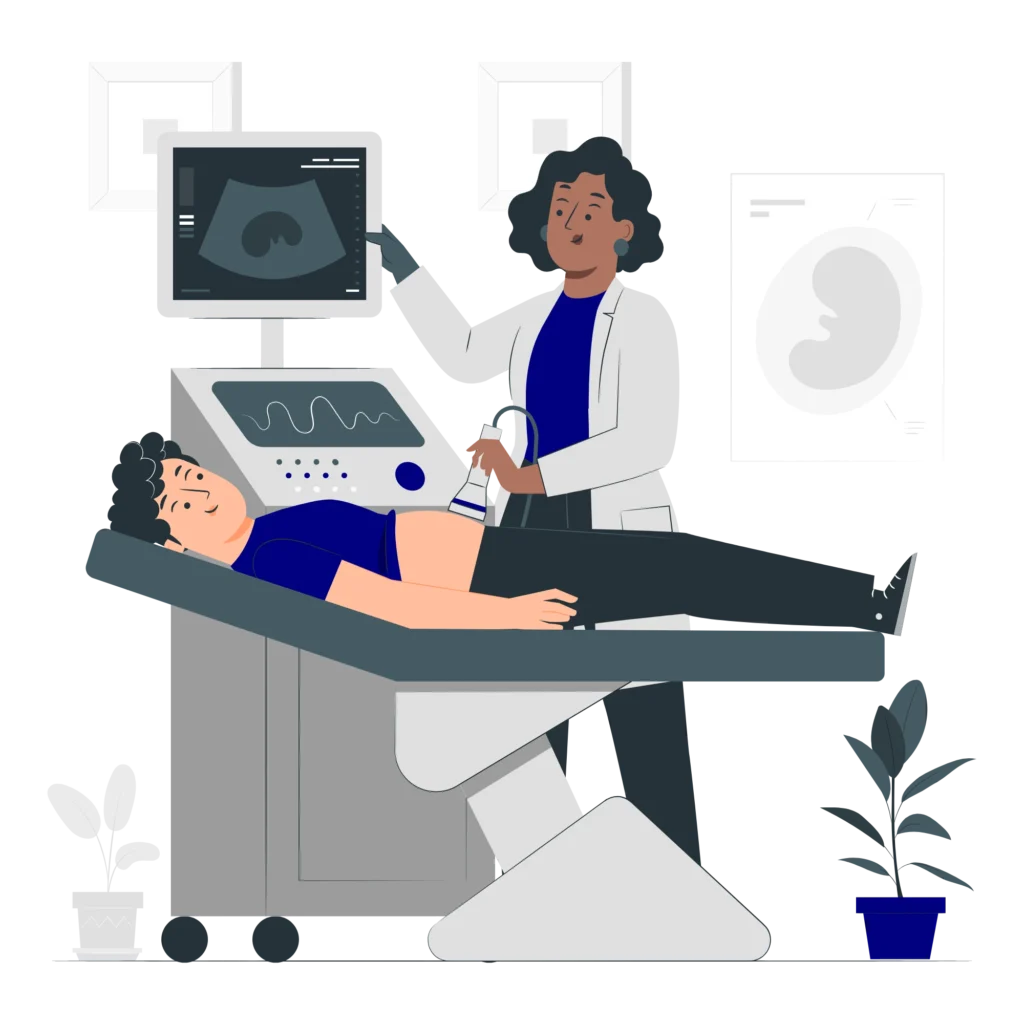
If you remember one thing about hepatology coding, make it this. The two liver elastography codes are not interchangeable, and the difference comes down to the imaging.
- 91200 is elastography with no imaging. The mechanical shear wave method, no B-mode ultrasound image.
- 76981 is ultrasound elastography with imaging. When the device produces and archives a B-mode image the provider interprets.
Here’s the part that catches everyone. Per the 2026 ACR guidance, a FibroScan that uses ultrasound image guidance and saves the liver images for interpretation belongs under 76981, not the 91200 most practices reflexively bill, and they don’t catch it. The American Society for Gastrointestinal Endoscopy named this imaging versus non imaging distinction one of its top billing questions, and the fix starts with checking your device’s FDA clearance to confirm whether it generates a B-mode image. You can confirm the elastography rules through the ACR ultrasound elastography guidance. Either way, the interpretation and a saved exam report are required, or neither code is billable. Get this wrong and you generate denied claims on your most frequent test.
FREE CHECK
Want us to confirm your FibroScan is coded right?
Or call us at (214) 646-1606
The Hepatology Billing Mistakes We Prevent
Most hepatology denials come down to a handful of repeating errors. Coding problems are the leading denial category across healthcare, with industry denial rates between 10 and 15 percent, per 2026 denial benchmarks. Here are the ones we catch in liver care.
| Common Mistake | What It Causes | How We Prevent It |
|---|---|---|
| Billing 91200 when the device produces a B-mode image | Denial; the correct code was 76981 | We confirm the device imaging mode against its FDA clearance, then code 91200 or 76981 correctly |
| Missing the elastography interpretation and report | No reimbursement; the report is required | We confirm the saved exam report and the provider interpretation before billing |
| No modifier 26 or TC split on imaging | Underpayment or bundling denial | We split professional and technical components correctly with modifier 26 or TC |
| Diagnostic vs therapeutic paracentesis confusion | Wrong code, denied claim | We code 49083 to the procedure actually performed and document the imaging guidance |
| Vague ICD-10 on a liver function panel | Medical-necessity denial under the LCD | We link each test to a specific K70 to K77 or B18 diagnosis that meets the payer policy |
| Overlooked chronic care management | Lost recurring revenue on chronic liver patients | We capture and time-track CCM (99490, 99439) every eligible month |
Diagnosis specificity matters as much as the procedure codes. Liver function panels and elastography both need an ICD-10 from the K70 to K77 liver disease family, or a hepatitis code like B18.2, that satisfies the payer LCD. Our medical coding services handle the code, the modifier, and the diagnosis link before the claim goes out.
What Our Hepatology Billing Services Include
Elastography Coding & Compliance
Correct elastography coding with 91200 or 76981 chosen by your device imaging mode, plus the right modifier 26 or TC split.
Hepatology Procedure Precision
Accurate procedure coding for liver biopsy (47000), paracentesis (49083), and the GI procedures hepatology practices share.
Prior Authorization Support
Prior authorization support for costly hepatitis antivirals, biologics, and imaging that need pre-approval.
Chronic Care Management
Chronic care management capture with time tracked 99490 and 99439 for chronic liver patients, the recurring revenue most practices miss.
Denial Management & RCM
Denial management and full revenue cycle support from eligibility through payment posting, covered by our revenue cycle management services.
Why Hepatology Practices Choose Docscare
We bill hepatology the way it actually works, around the liver procedures and the imaging rules, not just the office visits. Our AAPC-certified coders confirm your elastography device mode, apply the right codes and modifiers, link every test to a diagnosis that meets the payer LCD, capture the chronic care revenue you’re owed, and chase every denial back to its cause. You stop losing money on your most routine liver test.
We’re a US based medical billing company in Austin, Texas, fully HIPAA compliant, running a 99 percent clean claim rate with a 97.45 percent first pass acceptance rate. For a hepatology practice, that accuracy is the difference between full reimbursement and a steady drip of FibroScan and paracentesis denials.
FREE HEPATOLOGY BILLING REVIEW
Let us review a sample of your elastography, biopsy, and paracentesis claims for code and modifier errors, then show you exactly where the revenue is leaking, starting with your FibroScan. No cost, no obligation.

Hepatology FAQs
What are the main hepatology billing codes?
Hepatology billing centers on liver elastography (91200 without imaging, 76981 with imaging), percutaneous liver biopsy (47000), abdominal paracentesis (49083), the hepatic function panel (80076), and chronic care management (99490, 99439) for ongoing liver patients. Each has its own modifier and documentation rules, and the elastography code choice is where most denials begin.
What is the difference between CPT 91200 and 76981 for FibroScan?
The imaging. 91200 is liver elastography without ultrasound imaging, the mechanical shear wave method. 76981 is ultrasound elastography with a B-mode image. If your FibroScan device produces and archives a B-mode ultrasound image that the provider interprets, the 2026 ACR guidance points to 76981, not 91200. Coding the wrong one for your device is the most common hepatology imaging denial, so confirm the device imaging mode from its FDA clearance first.
Do I need a modifier for liver elastography?
Often, yes. Use modifier 26 when you bill only the professional component (the interpretation) and modifier TC when you bill only the technical component (the equipment and performance). Add modifier 76 for a medically necessary repeat by the same provider on the same day. Getting the component split right prevents both underpayment and bundling denials.
Why do hepatology claims get denied so often?
The most frequent causes are coding 91200 when 76981 applied, missing the elastography interpretation report, weak ICD-10 linkage that fails the payer LCD, prior authorization gaps on costly antivirals and biologics, and confusing diagnostic with therapeutic paracentesis. Each is preventable with disciplined coding and documentation.
Does Docscare work with my hepatology EHR and FibroScan system?
Yes. We work with the major EHR and practice management systems hepatology and GI practices use, and we build charge capture around your procedure patterns including FibroScan and ultrasound. We pull the documented procedure and imaging mode and match it to the correct CPT, modifier, and ICD-10 before the claim goes out.
